
April is Heartworm Prevention Month, an ideal time to focus on protecting pets from a disease that is far more common—and far more dangerous—than many owners realize.
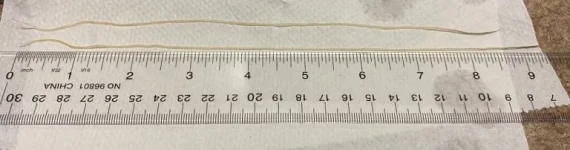
Heartworm disease is a potentially life-threatening condition caused by Dirofilaria immitis, a parasitic worm transmitted through mosquito bites. Once inside a pet’s body, heartworms can grow up to a foot long and live in the heart, lungs, and surrounding blood vessels, leading to severe lung disease, heart failure, and damage to other vital organs.
At Boundary Bay Veterinary Specialty Hospital (BBVSH) Bellingham, our board-certified specialists work closely with referring veterinarians to diagnose, monitor, and manage advanced cases of heartworm disease—especially when complications affect the heart.
How Common Is Heartworm Disease in Pets in the United States?
Heartworm disease is endemic throughout much of the United States, including the Pacific Northwest. Mosquito activity, wildlife reservoirs (such as coyotes and foxes), and warmer seasonal temperatures all contribute to ongoing transmission risk.
Dogs, cats, and ferrets can all be infected. While dogs are the natural host, cats are also at risk—and even a single worm can cause serious or fatal disease in cats. Because mosquitoes easily enter homes, both outdoor and indoor pets are susceptible.
How Heartworm Disease Is Transmitted to Pets
Heartworm disease spreads through a well-defined life cycle involving mosquitoes and mammalian hosts:
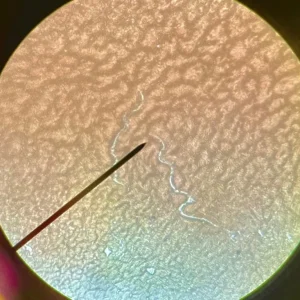
- Mosquito bite: A mosquito bites an infected animal and ingests microscopic baby worms (microfilariae).
- Development in the mosquito: Over 10–14 days, the microfilariae develop into infective larvae inside the mosquito.
- Transmission to a pet: When the mosquito bites another dog or cat, infective larvae enter the pet’s body through the bite wound.
- Maturation inside the pet: Larvae migrate through tissues and eventually settle in the heart, lungs, and blood vessels. Within about six months, they mature into adult worms and begin reproducing.
Adult heartworms can live 5–7 years in dogs and 2–3 years in cats, continuing to cause progressive damage during that time.
It only takes one mosquito bite to infect a pet. This is why veterinarians strongly recommend year-round prevention.
Signs of Heartworm Disease: Dogs vs. Cats
In Dogs: The Natural Host
Because heartworms are well adapted to dogs, infections can worsen gradually over time as worm numbers increase.
Common signs include:
- Persistent cough
- Fatigue after activity
- Decreased interest in exercise
- Weight loss or decreased appetite
- Difficulty breathing
- Fluid accumulation in the abdomen
- Signs of heart failure
In severe cases, dogs may develop caval syndrome, a life-threatening emergency where worms obstruct blood flow through the heart. This condition often requires urgent surgical intervention.
In Cats: Subtle but Dangerous
Cats are considered an atypical host. Most worms do not survive to adulthood, but immature worms can trigger intense lung inflammation known as Heartworm-Associated Respiratory Disease (HARD).
Possible signs include:
- Coughing or wheezing
- Rapid or labored breathing
- Vomiting unrelated to eating
- Lethargy or weight loss
- Sudden collapse or sudden death
Because symptoms can mimic asthma or bronchitis, diagnosis in cats is often challenging and may require advanced imaging and cardiology evaluation.
Diagnosing Heartworm Disease in Pets
Diagnosis in Dogs
Heartworm testing in dogs typically includes:
- Antigen testing to detect adult female worms
- Microfilariae testing to identify circulating baby worms
- Chest X-rays, echocardiography, and bloodwork to assess heart and lung damage
Dogs should be tested annually, even when receiving consistent prevention.
Diagnosis in Cats
Diagnosis in cats is more complex and often involves:
- Antigen and antibody testing
- Chest X-rays to evaluate lung changes
- Echocardiography to assess heart structure or visualize worms
A cardiologist’s expertise is often essential when results are unclear or clinical signs are severe.
Heartworm Disease in Pets Is Preventable
Heartworm disease is 100% preventable with veterinarian-prescribed medications. Preventives are available as:
- Monthly oral or topical products
- Long-acting injectable preventives for dogs
Year-round prevention and routine testing are the most effective way to protect pets. Preventive care should always be discussed with your primary care veterinarian as part of your pet’s wellness plan.
When Advanced Care Is Needed for Your Pet: Cardiology & Surgical Expertise
Pets with advanced heartworm disease may require referral to a veterinary cardiologist.
At BBVSH Bellingham, our cardiology service plays a critical role in:
- Advanced diagnostic imaging
- Assessing heart function
- Identifying life-threatening complications such as caval syndrome
If heartworms are found within the heart, surgical removal may be the only life-saving option. Our board-certified surgical specialists and cardiologists work together to provide carefully planned, minimally invasive procedures when indicated.
Treatment Overview for Heartworms in Pets
Dogs
Most dogs without heart involvement can be treated using a multi-step medical protocol, which includes:
- Antibiotics to reduce inflammation
- A series of injections to kill adult worms
- Strict exercise restriction for several months
This protocol is highly effective when followed closely under veterinary supervision.
Cats
There is no approved medical treatment to eliminate heartworms in cats. Care focuses on managing inflammation and complications. In rare cases, surgical removal may be considered. Because treatment options are limited, prevention is absolutely essential for cats.
Protecting Your Pet from Heartworm Starts with Prevention
Heartworm disease is serious—but it is also preventable. Early testing, consistent prevention, and timely referral to specialists when needed can save lives.
If your veterinarian has concerns about heartworm disease or heart involvement, BBVSH Bellingham’s cardiology and surgical teams are here to help, providing advanced care for pets facing complex cardiac conditions.
This Heartworm Prevention Month, take the time to talk with your veterinarian and ensure your pet is protected—because prevention truly is the best medicine.
Frequently Asked Questions About Heartworm Disease in Pets
What is heartworm disease in pets?
Heartworm disease is a serious and potentially life-threatening condition caused by a parasitic worm (Dirofilaria immitis) that is transmitted through mosquito bites. The worms live in the heart, lungs, and surrounding blood vessels, where they can cause lung disease, heart failure, and damage to other organs.
How do pets get heartworms?
Pets get heartworms from the bite of an infected mosquito. When a mosquito carrying heartworm larvae bites a dog or cat, the larvae enter the body and migrate to the heart and lungs, where they mature into adult worms over several months.
Is heartworm disease common in Washington State?
Yes. Heartworm disease is present throughout much of the United States, including the Pacific Northwest. Mosquito activity and wildlife such as coyotes and foxes help maintain transmission, which is why pets in Washington are still at risk.
Can indoor pets get heartworms?
Yes. Mosquitoes can easily enter homes, which means both indoor and outdoor pets are at risk. Even one mosquito bite is enough to transmit heartworm disease.
What are the symptoms of heartworm disease in dogs?
Common signs in dogs include:
- Persistent cough
- Fatigue or reluctance to exercise
- Difficulty breathing
- Weight loss or decreased appetite
- Fluid buildup in the abdomen
- Signs of heart failure
In advanced cases, dogs may develop caval syndrome, a life-threatening emergency.
What are the symptoms of heartworm disease in cats?
Cats often show subtle or sudden signs, including:
- Coughing or wheezing
- Rapid or labored breathing
- Vomiting unrelated to eating
- Lethargy or weight loss
- Sudden collapse or sudden death
Even one heartworm can cause severe disease in cats.
How is heartworm disease diagnosed?
In dogs, diagnosis typically involves blood testing along with imaging such as chest X-rays or echocardiography to evaluate heart and lung damage.
In cats, diagnosis is more complex and may require a combination of blood tests, imaging, and clinical evaluation by a veterinarian or cardiologist.
Why does my pet need annual heartworm testing?
Annual testing ensures that heartworm prevention is working effectively and helps detect infections early. Even pets on year-round prevention should be tested, as missed doses or delayed administration can allow infection to occur.
Is heartworm disease preventable?
Yes. Heartworm disease is 100% preventable with veterinarian-prescribed preventive medications. These are typically given monthly or as a long-acting injectable for dogs. Year-round prevention is recommended for all pets.
What happens if a dog tests positive for heartworm disease?
Dogs without heart involvement can often be treated with a structured medical protocol that eliminates adult worms over time. Treatment requires close veterinary supervision and strict exercise restriction to reduce the risk of complications.
When should a pet see a veterinary cardiologist for heartworm disease?
Pets with advanced disease, heart involvement, or suspected complications such as caval syndrome should be referred to a veterinary cardiologist. Cardiologists use advanced imaging, including echocardiography, to assess heart function and guide treatment decisions.
Can heartworms be surgically removed?
Yes, in certain severe cases where heartworms have entered the heart, surgical removal may be the only life-saving option. At BBVSH Bellingham, surgical specialists and cardiologists work together to manage these complex cases.
Is there treatment for heartworm disease in cats?
There is currently no approved medical treatment to eliminate heartworms in cats. Care focuses on managing inflammation and complications, and in rare cases, surgical removal may be considered. Prevention is the most important protection for cats.
Why is Heartworm Prevention Month important?
Heartworm Prevention Month raises awareness about a disease that is serious but preventable. It’s an ideal time for pet owners to ensure their pets are on year-round prevention and up to date on heartworm testing.
How can BBVSH Bellingham help with heartworm disease?
BBVSH Bellingham provides advanced cardiology and surgical expertise for pets with complicated or severe heartworm disease. We work closely with referring veterinarians to deliver specialized diagnostics, treatment planning, and life-saving care when heart involvement is present.
