
December and January are full of celebration — from Christmas and Hanukkah to Kwanzaa, New Year’s parties, and cozy winter gatherings. While these moments bring joy to our homes, they also come with extra risks for pets. Decorations, rich meals, visitors, and cold weather can all create unexpected hazards.
To help keep your furry friends safe this holiday season, here are some of the most common dangers and simple ways to prevent emergencies.
Tasty but Troublesome: Food Dangers for Pets
Holiday meals, baked goods, and treats are a big part of celebrations — but some foods can be dangerous or downright toxic for pets:
- Chocolate: Contains theobromine, which is toxic to dogs and cats.

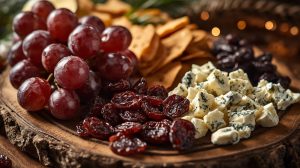
- Grapes and Raisins: Even small amounts can lead to kidney failure in dogs.
- Onions and Garlic: Harmful to pets, especially in large quantities, as they can cause anemia.
- Fatty Foods: Can lead to pancreatitis in pets.
- Alcohol: Extremely dangerous, causing vomiting, breathing issues, or even death.
- Macadamia Nuts: Can cause weakness, vomiting, tremors, and hyperthermia (overheating) in dogs.
- Xylitol: A sugar substitute found in candy, gum, and some baked goods, which can induce insulin release in dogs, leading to low blood sugar and liver damage.
- Mince Pies & Christmas Puddings: Contain grapes, currants, sultanas, and raisins, all poisonous to dogs and potentially causing severe kidney failure.
- Cheese: An occasional treat of cheese is acceptable, but some types, such as blue cheese, can produce toxins that cause rapid onset convulsions in dogs.

Tips for pet parents
- Keep tempting treats out of reach, especially if your pet has a habit of ‘counter-surfing’.
- Ask guests not to feed table scraps to pets.
- Stick with pet-safe treats if you’re baking or sharing food with your furry friends.
- Safely dispose of gift wrapping, candy wrappers, and food packaging — pets may tear into garbage or gift bags looking for leftovers.
Decked Halls; Hidden Risks for Pets
Holiday greenery and decorations make homes festive, but they can spell trouble for curious pets:
- Poinsettias, holly, mistletoe, amaryllis, lilies, ivy, and azaleas can all cause vomiting, diarrhea, drooling, or more serious poisoning, depending on how much a pet ingests.
- Christmas tree needles (real or artificial) can irritate the mouth or stomach, create choking hazards, or puncture the digestive tract.
- Tinsel, ribbons, and string lights are classic temptations — ingestion can lead to gastrointestinal obstruction, and cords can lead to electrocution or strangulation.
- Glass ornaments or small battery-powered decorations can break, leaving sharp shards or batteries that pets might swallow.
- Scented sprays, artificial “snow,” potpourri, and holiday sprays may contain essential oils or chemicals that irritate skin, eyes, or the respiratory tract, or are toxic if ingested.
Prevention tip: Place fragile ornaments higher on the tree, vacuum up fallen needles, and keep plants and wires well out of reach.
Winter Weather & Seasonal Chemical Dangers for Pets
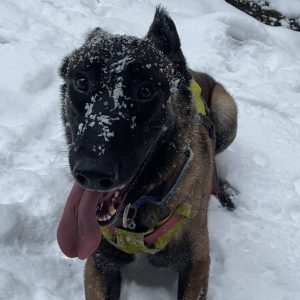 Cold and icy conditions bring their own set of dangers:
- Antifreeze (ethylene glycol) and de-icing products are sweet-tasting but highly toxic. Even a small amount can cause kidney failure or neurological damage.
- Rock salt and de-icing chemicals on sidewalks and driveways can irritate paws or be licked off and ingested, potentially causing salt poisoning.
- Snowballs, ice clumps, or frozen puddles can trap fur between toes, chill sensitive skin, or hide sharp debris.
- Cold, wet weather may worsen arthritis or lead to hypothermia in very small, very old, or short-haired pets.
Prevention tip: Rinse paws after walks, bundle sensitive pets in sweaters or booties, and store chemicals securely.
Holiday Chaos: Stress & Routine Disruptions Affect Pets
Between visitors, fireworks, music, and changes in routine, the holiday season can overwhelm pets:
- Loud music, fireworks, doorbells, holiday guests, or family events can make pets anxious, leading to escape attempts, destructive behaviour, or hiding.
- Lots of foot traffic, visitors, or changes in schedule may upset routines, disrupt feeding or bathroom schedules, and leave pets feeling unsettled.
- New people or children who aren’t used to pets may inadvertently tease or overwhelm them, leading to stress or accidental injury.
- Holiday travel can also add stress: cold car interiors, unfamiliar terrain, or disrupted routines can cause anxiety and distress.
Prevention tip: Give your pet a quiet retreat with familiar toys and bedding. Stick to regular feeding and walking routines, and supervise interactions with visitors.
Preparing for the Unexpected
No matter how careful you are, accidents happen. Planning ahead is the best way to protect your pet:
- Keep the phone number and directions for your emergency hospital handy.
- Know the fastest route before an emergency happens.
- Have a “go bag” ready with leash, carrier, food, medications, and records.
- Share holiday “house rules” with guests: no people food, close doors, and keep decorations secure.
- Do a quick safety sweep before gatherings — tuck away cords, dispose of packaging, and clear food areas.
Our expert team at Boundary Bay Veterinary Specialty Hospital in Bellingham, in collaboration with the knowledgeable team at Animal Emergency Care, works tirelessly to provide 24-hour emergency care for pet owners in and around Bellingham and the greater Northwest Washington region.
Final Thoughts about Holiday Hazards for Pets
The holiday season is meant to be joyful, not stressful. By keeping festive hazards in mind and being prepared for the unexpected, you can enjoy celebrations while keeping your furry companions safe.
From all of us at Boundary Bay Veterinary Specialty Hospital in Bellingham, we wish you and your pets a happy, healthy, and hazard-free holiday season.
