
At Boundary Bay Veterinary Specialty Hospital in Bellingham, we love helping pets and their people stay healthy — and that includes when they’re on the move. Because our hospital works with Animal Emergency Care to offer 24/7 emergency and trauma services, we often see the consequences when travel goes wrong.
From pets injured after being unsecured in a car to animals arriving overheated or stressed after a long trip, we’re reminded daily that even simple journeys can carry risks when pets aren’t properly secured or prepared.
Pet Travel Safety Day on January 2 is a great reminder that whether you’re headed out for a quick errand or a long-distance adventure, planning ahead makes all the difference. This year, we’re sharing practical, pet-friendly advice to help you make every journey safer and more comfortable — so your pets arrive happy, healthy, and ready to enjoy the adventure with you.
Keeping Pets Safe on the Road and in the Air
Every pet — regardless of their size or personality — benefits from thoughtful travel planning. A few sensible precautions can dramatically reduce the chance of injury, stress, or medical complications and help ensure that the trip goes smoothly for everyone involved.
Safe Car Travel with Pets
Car trips are a normal part of life — but they come with potential hazards if pets aren’t secured properly. Taking a few easy steps can protect both your animal and your family.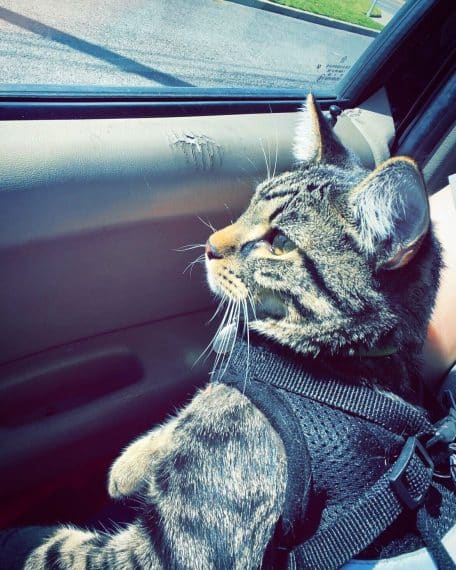
Tips for safe car travel:
- Secure your pet properly:
- For dogs: use a crash-tested harness or place them in a secured crate or carrier in the back seat.
- For cats and small dogs: a sturdy carrier (hard-sided or quality soft-sided) that’s buckled in so it can’t slide or shift works best.
- Keep pets away from the front seat: airbags and sudden stops can cause serious harm even at low speeds.
- Never transport pets in an open truck bed or unsecured outside: Washington law prohibits carrying animals in unenclosed or unsafe positions outside a vehicle’s cabin.
- Avoid leaving pets alone in parked cars: Washington law also prohibits leaving animals unattended in vehicles under conditions that could harm them — extreme heat, cold, lack of ventilation, or water.
- Plan for breaks on longer trips: bring water, food, familiar bedding or toys, and allow time for potty and stretch stops so your pet stays comfortable and calm.
- Be mindful of motion sickness or anxiety: if your pet tends to get car sick or stressed, talk to your regular veterinarian — there are strategies to help make travel easier.
Air or Long-Distance Travel with Pets
Traveling by plane or embarking on a long trip with pets takes extra preparation — but with planning, it can be done safely.
What to check and prepare:
- Confirm airline or transport requirements: airlines and transport services vary widely. Each has its own rules for carrier size, whether pets fly in-cabin or as cargo, breed or size restrictions, health certificates, paperwork, and seasonal temperature guidelines. Always double-check before booking.
- Ensure your pet is fit for travel: a pre-trip veterinary check-up is especially important for seniors, young animals, brachycephalic (flat-faced) breeds, or pets with chronic health issues.
- Use an appropriate, secure carrier: the carrier must be well-ventilated, escape-proof, and large enough for your pet to stand, turn around, and lie down comfortably. Soft-sided carriers can be fine for in-cabin travel if they meet the transport rules.
- Help your pet get used to the carrier beforehand: let them explore it at home, add familiar bedding or toys, and gradually increase the time they spend in it so the carrier becomes a comfortable space rather than something scary.
- Pack a pet travel kit: include food, water, medications, leash, waste bags, familiar bedding or toys — and a copy of vaccination records or paperwork if required.
- Consider stress or motion sickness management: if your pet is prone to anxiety or nausea, talk to your family vet about safe options to make the trip gentler.
When It’s Better for Pets to Stay Home
Sometimes, the best travel plan for pets is no travel at all, especially if your pet:
- is recovering from illness or surgery
- is senior and struggles with mobility, breathing, or other age-related issues
- is very young, not fully vaccinated, or otherwise vulnerable
- becomes highly anxious with confinement or during movement
- has a medical condition that might worsen under stress, heat, cold, or prolonged travel
If you’re unsure whether travel is a good idea for your pet, a quick consult with your regular vet can help you decide what’s safest and most comfortable. A short stay with a trusted caregiver can be the most loving choice in some cases.
When You Need Us — Emergency and Trauma Care
Even with careful planning, accidents and unexpected health issues can happen on the road or in the air. If your pet becomes injured, overheated, or suddenly unwell during travel — or anytime — Boundary Bay Veterinary Specialty Hospital in Bellingham, together with Animal Emergency Care, is here 24/7.
Because BBVSH partners with Animal Emergency Care to provide continuous specialty and emergency veterinary support, we’re ready to handle serious, life-threatening cases: trauma, accidents, sudden illness, and any complications that require advanced diagnostics or surgery. While we hope your travels are calm and uneventful, our doors are always open when your pet needs urgent help.
Frequently Asked Questions About Pet Travel Safety
- How should I safely secure my dog in the car in Washington? Dogs travel safest when secured in the back seat using a crash-tested harness or in a properly fastened crate. Washington law requires that animals not be transported in a way that endangers them, including riding loose in unenclosed or unsafe positions.
- Is it legal for dogs to ride in the back of a pickup truck in Washington? Generally, no. Washington law states that no person may transport an animal in a way that exposes it to danger. Riding unsecured in an open truck bed is considered unsafe and may be unlawful. Even where not explicitly banned, it puts pets at high risk of falls, debris injuries, and trauma.
- What is the safest way for cats to travel in a vehicle? Cats should always be transported inside a secure carrier that is buckled in with a seatbelt. This keeps them from roaming the vehicle, reduces stress, and protects them during sudden braking or accidents.
- Can I leave my pet in the car while I run inside a store? No. Washington has a specific law that prohibits leaving pets unattended in a vehicle under conditions that could cause distress or injury. Temperatures can rise or fall quickly, even with windows cracked.
- What kind of carrier should I use for air travel with my pet? Choose a secure, well-ventilated carrier that allows your pet to stand, turn, and lie down comfortably. Soft-sided carriers are often allowed in the cabin, but each airline has different size and material requirements — always check your airline’s rules before booking.
- Do all airlines have different rules for traveling with pets? Yes. Airlines vary in their policies on in-cabin pets, cargo travel, carrier dimensions, breed restrictions, required paperwork, and seasonal heat or cold limitations. Review your airline’s pet travel policy well in advance.
- Should I get my pet checked by a vet before flying or taking a long trip? It’s a good idea, especially for senior pets, puppies, brachycephalic (flat-faced) breeds, or pets with ongoing medical concerns. A pre-travel check can ensure your pet is healthy enough for the journey and meets any required documentation.
- What should I pack in a travel kit for my pet? A good travel kit includes food, water, bowls, medications, a leash, waste bags, familiar bedding or toys, and a copy of vaccination records or needed paperwork. These essentials help your pet stay comfortable and prepared for delays.
- How can I reduce my pet’s travel anxiety? Introduce your pet to the carrier early, keep the environment calm, bring familiar bedding or toys, and take short practice trips. If your pet has significant anxiety or motion sickness, ask your family veterinarian about safe options.
- Is air travel safe for all pets? Not always. Pets with breathing issues, very young or senior animals, and pets with chronic medical conditions may not be good candidates for flying. A veterinarian can help you decide what’s safest.
- When is it better to leave my pet at home instead of traveling? If your pet becomes extremely anxious in carriers, is recovering from surgery or illness, is very young, or has a condition that could worsen with stress or temperature changes, staying with a trusted caregiver may be the safest choice.
- What should I do if my pet is injured during travel? Seek veterinary care immediately. In the Bellingham area, Boundary Bay Veterinary Specialty Hospital partners with Animal Emergency Care to provide 24/7 emergency and trauma services for pets in crisis.
- Why does BBVSH Bellingham see so many travel-related pet emergencies? Because BBVSH works closely with Animal Emergency Care to offer continuous emergency and specialty coverage, we often treat pets experiencing trauma, overheating, sudden illness, or injuries sustained during travel.
- How can I make long road trips safer for my pet? Plan regular breaks, bring enough water, secure your pet in a carrier or harness, maintain a comfortable temperature, and keep doors and windows monitored to prevent escapes.
- Are calming supplements or sedatives safe for travel? Some may help, but always consult your veterinarian first. Certain medications or sedatives are not recommended for air travel because they can affect breathing and temperature regulation.
