
Happy New Year, dog lovers! January marks the beginning of Walk Your Dog Month, a time to refresh routines, rediscover the benefits of daily movement, and recommit to supporting your dog’s all-around well-being. Whether your companion is a high-energy youngster or a slower-paced senior, regular walking — especially with winter considerations in mind — can help set the tone for a healthier year ahead.
Let’s explore why winter-friendly walking matters, how to keep it safe and beneficial, and how rehabilitation at Boundary Bay Veterinary Specialty Hospital (BBVSH) Bellingham can support dogs of all ages, abilities, and activity levels.
Why Daily Dog Walks Matter — Even During the Winter Months
Walking is one of the simplest and most impactful ways to support your dog’s health. Even in the colder, wetter months typical of the Pacific Northwest, consistent activity offers benefits that extend far beyond physical exercise.
Physical health and mobility
Daily walking helps manage weight, maintain muscle strength, and keep joints moving comfortably — key for preventing stiffness and supporting long-term mobility.
For senior dogs or those with early signs of arthritis, even moderate, consistent walking helps preserve flexibility and slows mobility decline.
Walking also promotes normal digestive function and supports healthy elimination routines.
Mental stimulation and emotional enrichment
Cooler months still provide abundant sensory variety: new scents, wet leaves, wildlife activity, and environmental changes all engage your dog’s brain.
Dogs thrive on exploration. Winter walks help them stay mentally challenged and prevent boredom-related behaviors at home.
Shared walking time strengthens connection and routine, supporting both your dog’s emotional well-being and your bond together.
Winter Dog Walking — What to Keep in Mind in the Pacific Northwest
Bellingham’s winters are known for dampness, chilly rain, mud, wind, and intermittent ice — conditions that may not deter dogs entirely but do require thoughtful preparation. According to the American Veterinary Medical Association (AVMA) and the American Animal Hospital Association (AAHA), cold and wet exposure can affect pets more quickly than many owners expect, particularly when coats are soaked or when wind chill is high.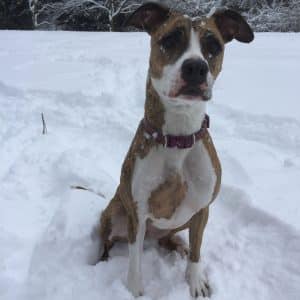
Here are important winter-walking considerations:
Weather protection and comfort
- Short-haired breeds, small dogs, seniors, and medically vulnerable pets may benefit from a waterproof coat or sweater, especially on cold, windy, or wet days.
- If sidewalks have been treated for ice, you can protect your dog’s paws in a few different ways. Some dogs tolerate paw balm well, while others may do better with gentle rinsing or wiping after the walk. Booties are an option for dogs who accept them, but they are not ideal for every dog; many pets find them uncomfortable or difficult to walk in.
- Bring a towel for damp dogs; prolonged wetness increases the risk of chills or skin irritation.
Adjusting walk duration and structure
- On cold, windy, or very wet days, shorten walks and increase indoor enrichment to compensate.
- For healthy adult dogs, moderate walks are usually fine with proper preparation, but very young, very old, or medically compromised dogs may require shorter, gentler outings.
- If your dog stops, hesitates, shakes, or repeatedly lifts their paws, it may be time to turn back.
Hazards to watch for
- Ice patches, wet leaves, and slick boardwalks can create slip risks, especially for older dogs or those with orthopedic issues.
- Avoid areas where antifreeze or winter chemicals may be present — many are toxic and attractive to dogs.
- High winds or heavy rain can reduce visibility; consider reflective collars, leashes, or harnesses.
Signs your dog is uncomfortable in winter weather
- Shivering or trembling
- Slowing pace or refusing to continue
- Curling into themselves or hunching
- Repeatedly lifting or licking paws
- Seeking shelter or trying to turn back
Recognizing these signs helps ensure that winter walks remain safe, positive, and beneficial.
Walking + Rehab — A Powerful Combination for Your Pet’s Lifelong Mobility
Walking alone has tremendous value — but pairing it with veterinary rehabilitation can elevate your dog’s comfort, strength, and quality of movement, especially if they have mobility concerns.
At BBVSH Bellingham, our rehabilitation team works closely with dogs of all ages, conditions, and activity levels. (And while this article focuses on canine walking, it’s worth noting that our rehabilitation service also supports cats — many of whom benefit from targeted mobility therapies just as much as dogs do!)
Whether your dog is recovering from surgery, managing chronic pain, or simply aging gracefully, rehab can amplify the benefits of regular walking.
What Rehabilitation Offers
Veterinary rehabilitation uses science-based techniques to improve mobility, strength, and comfort. These include:
- Therapeutic exercises and customized strengthening plans
- Manual therapy, stretching, and joint mobilization
- Laser therapy and targeted pain-management modalities
- Core strengthening, balance work, and mobility conditioning
- Weight-management and low-impact fitness programs
- Acupuncture, which can support pain relief, relaxation, and improved mobility
- Post-surgical rehabilitation for safe, effective recovery
Who Benefits from Rehabilitation at BBVSH Bellingham?
Rehabilitation can support:
- Dogs recovering from orthopedic or neurologic surgery
- Senior dogs struggling with stiffness, arthritis, or reduced endurance
- Overweight dogs who need safe, low-impact ways to increase activity
- Active or athletic dogs prone to strains or repetitive-use injuries
- Dogs experiencing pain, gait changes, or decreased enthusiasm for walks
- Pets with chronic conditions such as osteoarthritis or degenerative joint disease
Rehab + Walking: A Synergistic Approach
When walking becomes uncomfortable — or when mobility changes begin to appear — rehab can support the body where walking alone falls short.
Together, these two pillars provide:
- Better pain control
- Stronger muscles and joints
- More confidence and stability
- Slower progression of age-related mobility loss
- An improved ability to enjoy daily walks safely and comfortably
This integrated “movement-based medicine” approach helps dogs stay active, happy, and engaged long into their senior years.
Looking Ahead — Healthy, Happy, Walking & Moving
As we welcome 2026, consider reframing your dog’s walks as more than routine outings. Think of them as part of a comprehensive plan for physical health, mental enrichment, and emotional balance throughout the year.
By combining consistent walking, seasonal awareness, and access to the specialized rehabilitation services available at Boundary Bay Veterinary Specialty Hospital (BBVSH) Bellingham, you create a strong foundation for lifelong mobility and well-being — no matter your dog’s age or condition.
Here’s to a year of steady movement, joyful exploration, and lasting wellness for your beloved companions.
FAQs
- What is Walk Your Dog Month? Walk Your Dog Month is observed every January and encourages dog owners to recommit to regular walking routines after the holidays. It’s a reminder that daily walks support your dog’s physical health, mental stimulation, and emotional well-being — even in the colder months.
- Why should I walk my dog during winter? Walking in winter helps maintain joint mobility, muscle strength, healthy weight, and digestive regularity. Even short outings provide valuable sensory enrichment through new scents and changing environments. Regular walks also strengthen the bond between you and your dog.
- What winter weather considerations should I keep in mind in Bellingham? Bellingham winters bring chilly rain, dampness, wind, and occasional ice. Prolonged wetness and wind chill may reduce your dog’s comfort, so plan walks around weather conditions. The American Veterinary Medical Association (AVMA) notes that cold and wet exposure can impact pets more quickly when their coats are soaked or when temperatures drop.
- How can I protect my dog on winter walks? You can help keep your dog comfortable by:
- Using a waterproof coat or sweater for short-haired, small, senior, or medically sensitive dogs
- Protecting paw pads with paw balm or wiping them after walks to remove moisture or de-icing chemicals
- Using reflective gear if walking during low light
- Bringing a towel for post-walk drying
Booties can be helpful for some dogs, but many dogs do not tolerate them. They are optional and not necessary for all pets.
- How long should I walk my dog in winter? Most dogs benefit from one to two daily walks, but winter conditions may require shorter, more frequent outings. Puppies, seniors, and dogs with medical conditions may need gentler, briefer walks. If your dog seems uncomfortable, it’s okay to shorten the outing.
- How do I know if my dog is too cold on a walk? Signs your dog may be uncomfortable include:
- Shivering or trembling
- Hesitating or slowing down
- Curling into themselves
- Repeatedly lifting paws
- Trying to turn back or seek shelter
If you see these signs, head home and warm up.
- What if my dog can’t walk far because of age, arthritis, or injury? Many dogs with mobility challenges still benefit from gentle, tailored walks. If your dog struggles with pain, stiffness, or reduced endurance, veterinary rehabilitation can supplement walking by improving strength, flexibility, and comfort.
- How does rehabilitation help dogs with mobility issues? Rehabilitation can:
- Improve joint mobility
- Build muscle strength and stability
- Reduce pain and inflammation
- Support balance and coordination
- Aid recovery after surgery
- Enhance overall mobility and comfort
Rehab is especially beneficial for dogs with osteoarthritis, post-surgical needs, neurologic conditions, or age-related mobility loss.
- What rehabilitation services does Boundary Bay Veterinary Specialty Hospital (BBVSH) Bellingham offer? At BBVSH Bellingham, our rehabilitation team provides:
- Therapeutic exercises
- Manual therapy and stretching
- Laser therapy
- Strength-building and mobility programs
- Weight-management support
- Acupuncture
- Customized recovery plans after orthopedic or neurologic surgery
While this FAQ focuses on dog walking, our rehab service also treats cats, many of whom benefit from targeted mobility therapies.
- When should I consider rehab for my dog? Rehabilitation may help if you notice:
- Difficulty with stairs or rising
- Slower or stiffer walks
- Changes in gait
- Reduced willingness to exercise
- Pain or discomfort during or after activity
- Mobility limitations due to age, arthritis, or injury
Early intervention can prevent declines in mobility and improve comfort.
- Can walking and rehab work together? Yes. Walking supports daily movement, while rehab provides targeted strengthening, pain management, and mobility improvement. Together, they create a well-rounded approach that helps dogs stay active and comfortable — especially those with chronic conditions.
- How often should I walk my dog during winter? Aim for at least one to two walks per day, adjusting for weather and your dog’s needs. On harsh-weather days, multiple short walks may be more comfortable than one long outing. Indoor enrichment can help fill the gaps when outdoor activity is limited.
