

Ringo had always been a bright, playful, and energetic dog. That changed suddenly after the loss of Tyler, the older dog who had been his companion since puppyhood. According to his owner, Gillian, Ringo became withdrawn, lethargic, and uninterested in food.

At first, the family believed his behavior was rooted in grief. However, as days passed, Ringo’s lack of energy and refusal to eat became increasingly concerning. Gillian recalls being terrified that something more serious was wrong—and feared the possibility of losing another dog so soon after Tyler.
Because the changes were abrupt and severe, Ringo was brought to BBVSH Bellingham for evaluation. His symptoms went beyond what would be expected from emotional distress alone, prompting a deeper medical investigation by the Internal Medicine team.

Ringo underwent a comprehensive Internal Medicine workup to identify the cause of his sudden decline. This included in-house bloodwork, including chemistry panel and cortisol testing, to evaluate adrenal function.
Before testing was complete, the care team discussed a differential diagnosis list—a standard process that outlines possible causes for a patient’s symptoms. In Ringo’s case, differentials included gastrointestinal disease, systemic infection, metabolic imbalance, stress-related illness, and endocrine disorders.
Hormone testing ultimately confirmed a diagnosis of Addison’s disease (hypoadrenocorticism), a condition in which the adrenal glands fail to produce adequate levels of essential hormones needed to regulate electrolytes, metabolism, and stress response.
Without treatment, Addison’s disease can become life-threatening. Identifying the condition allowed the team to move quickly toward stabilization and long-term management.
Once Ringo was diagnosed with Addison’s disease, the Internal Medicine team developed a long-term medical management plan tailored to his needs and lifestyle.
Treatment focused on replacing the hormones his body could no longer produce. Ringo began a regimen of regular at-home injectable medication, with dosing and timing carefully determined by the Internal Medicine specialists. Gillian was taught how to administer the injections confidently at home, allowing Ringo to maintain a normal routine without frequent hospital visits.
Follow-up bloodwork was used to monitor his response to treatment and ensure hormone levels remained stable. Adjustments were made as needed to optimize his comfort, energy, and overall health.
Throughout the process, the care team worked closely with Gillian, providing education, reassurance, and clear guidance. Given the emotional context surrounding Ringo’s presentation, the team emphasized communication and support—helping the family understand that while Addison’s disease is a lifelong condition, it is highly manageable with proper care.
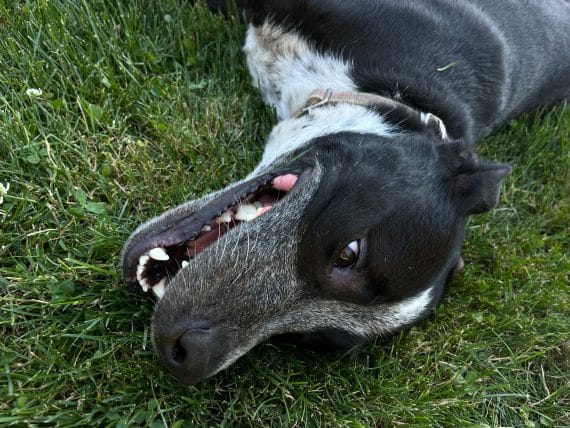
With treatment underway, Ringo’s appetite returned, his energy improved, and his personality began to shine through again.
Ringo responded very well to treatment and quickly began returning to his usual playful, affectionate self. His appetite normalized, his energy levels rebounded, and the lethargy that once worried his family resolved.

Gillian shared her relief and gratitude:
“We were so scared it was something else and thought we were going to have to put down another dog. But with the help of Internal Medicine, we’re now able to manage his Addison’s at home—and he’s back to being his normal goofy self.”
Today, Ringo continues to do well with ongoing hormone replacement and routine veterinary monitoring. His condition remains stable, and he enjoys a full, happy life.
Prognosis & Takeaway: With early diagnosis and consistent management, dogs with Addison’s disease can thrive long-term. Ringo’s case underscores the importance of thorough Internal Medicine evaluation—especially when emotional and medical symptoms overlap.


