4176 Meridian Street

Bellingham, WA 98226

(360) 758-2200

24/7 Emergency Care​

Restoring Mobility

Rudi’s Spinal Surgery Journey

How one dog’s sudden paralysis became a story of hope, teamwork, and healing

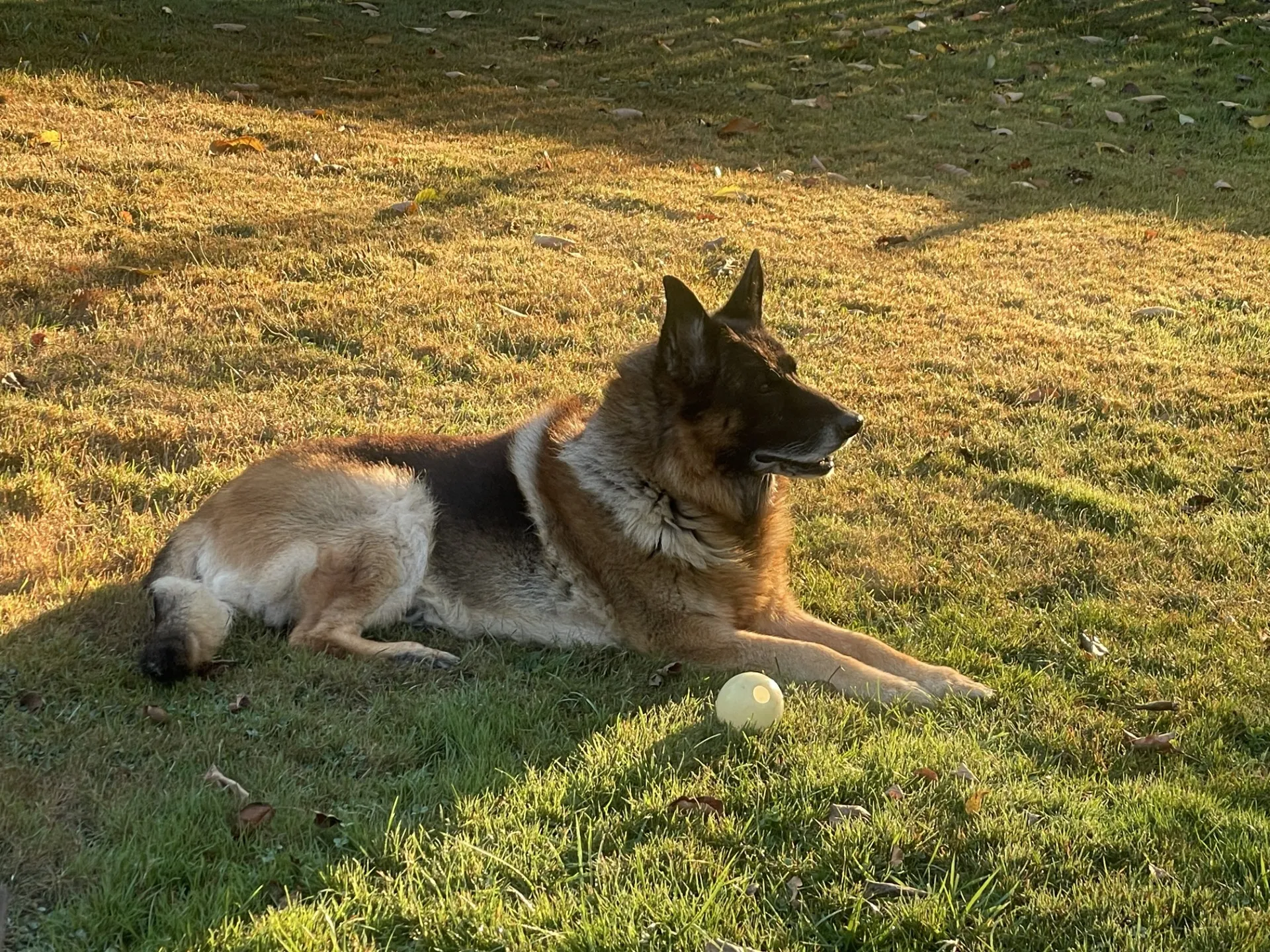
Rudi, a 12-year-old German Shepherd, lost the ability to walk after a severe spinal disc injury compressed a major nerve. Through coordinated specialty care—including advanced imaging, neurology-guided surgery, and dedicated rehabilitation—he regained mobility and returned to an active, joyful life with his family.

1. Case Overview

Patient

Name: Rudi
Breed: German Shepherd
Age: 12 years (male)

Service

Neurology-assisted CT imaging, spinal decompression surgery, and post-operative rehabilitation performed at Boundary Bay Veterinary Specialty Hospital (BBVSH) – Bellingham.

Quick Facts

  • Presented with sudden hindlimb collapse after a painful jump
  • CT confirmed a herniated disc compressing a nerve root
  • Surgery performed locally in Bellingham with neurology consultation from BBVSH Surrey
  • Additional, less severe bulging disc identified but not surgically indicated
  • Returned to comfortable mobility through structured rehab and home care

Surgeon Spotlight

Rudi’s procedure was performed by Dr. Milan Milovancev, a highly accomplished board-certified veterinary surgeon. His expertise allowed Rudi to undergo advanced spinal surgery right in Bellingham, avoiding the distress of traveling in severe pain. By collaborating closely with neurology colleagues at BBVSH Surrey, he ensured Rudi received comprehensive specialty support while remaining close to home.

Rudi had shown subtle signs of discomfort for months—hesitating to jump, slowing down, or moving stiffly. Because he was an older German Shepherd, his family attributed these changes to arthritis. But on one traumatic day, after jumping off a bench when someone knocked on the door, Rudi screamed in pain, collapsed, and could no longer use his back legs. Alicia remembers,
“It was very traumatic… he couldn’t walk, and every time we moved him, he screamed.”

With her husband still on the road and Rudi unable to stand, Alicia got him into the truck and drove directly to BBVSH Bellingham. She knew immediately that this was not something that could wait.

Upon arrival, Rudi was in severe distress: unable to bear weight, holding one hind leg tight against his body, and showing clear asymmetry in function—all signs pointing toward a neurologic injury rather than joint disease.

2. Presenting Problem

3. Diagnosis

At BBVSH, Rudi underwent a thorough neurologic and orthopedic evaluation. His inability to right one rear paw, and place the leg appropriately—and his tendency to hold it elevated—were classic symptoms of radiculopathy, a condition where a nerve root exiting the spine becomes compressed.

To determine the exact cause, Dr. Milovancev performed an on-site CT scan in Bellingham after consulting with neurology specialists at BBVSH Surrey. The CT revealed a herniated (bulging) intervertebral disc and areas of bony overgrowth pressing directly on the affected nerve root. Alicia recalled,
“The diagnosis was a bulged or herniated disc impinging nerves… he was basically paralyzed in one leg.”

A second, milder disc bulge was also identified but was not causing neurologic symptoms.

What Are “Differentials”?

Before imaging, veterinarians consider a list of differential diagnoses—possible causes that could explain the symptoms. For Rudi, this included arthritis flare, lumbosacral disease, hip or soft-tissue injury, or peripheral nerve damage and even the possibility of a tumor. Advanced imaging narrowed these possibilities, confirming the true source of his pain and paralysis.

Final Diagnosis: Herniated disc causing severe nerve-root compression (radiculopathy).

Once the CT scan confirmed that a herniated disc was compressing a nerve root, the recommended treatment was spinal decompression surgery—the only option capable of relieving the trapped nerve. Pain medications alone could not resolve the underlying structural problem.

Preoperative Care

Rudi was stabilized with pain control and monitored carefully due to his age and prior cardiac history. Alicia and Dr. Milovancev discussed the risks vs. benefits of surgery compared to conservative medical management, as well as the options of traveling with Rudi to BBVSH Surrey or having the procedure performed locally. Ultimately, the specific treatment plan chosen was customized to best fit Rudi and his family’s situation, which meant having the large bulging disc surgically decompressed at BBVSH Bellingham.

Surgery

  • CT-guided identification of the affected spinal level
  • Surgical removal of disc and bone material compressing the nerve
  • Confirmation of complete nerve-root decompression

Lay Explanation: Similar to treating a pinched nerve in a human spine, the procedure removes the material squeezing the nerve so it can function normally again.

Postoperative Care

The first days at home were difficult. Rudi, heavily sedated and unable to move easily, needed support for bathroom trips. Alicia says:
“He’d hop five feet, lie down, cry, then try again. But he was worth it.”

Rehabilitation under Dr. Henderson, alongside home exercises and cold-laser therapy, played a major role in his recovery. By weeks three and four, Rudi began using his leg more consistently, a key sign of nerve healing.

4. Treatment

5. Outcome

Rudi’s recovery progressed steadily. With ramps installed at home, reduced medication, and gradually increasing walks, he began regaining strength and confidence. Alicia recalls,
“When he started using that back leg again, everything got easier.”

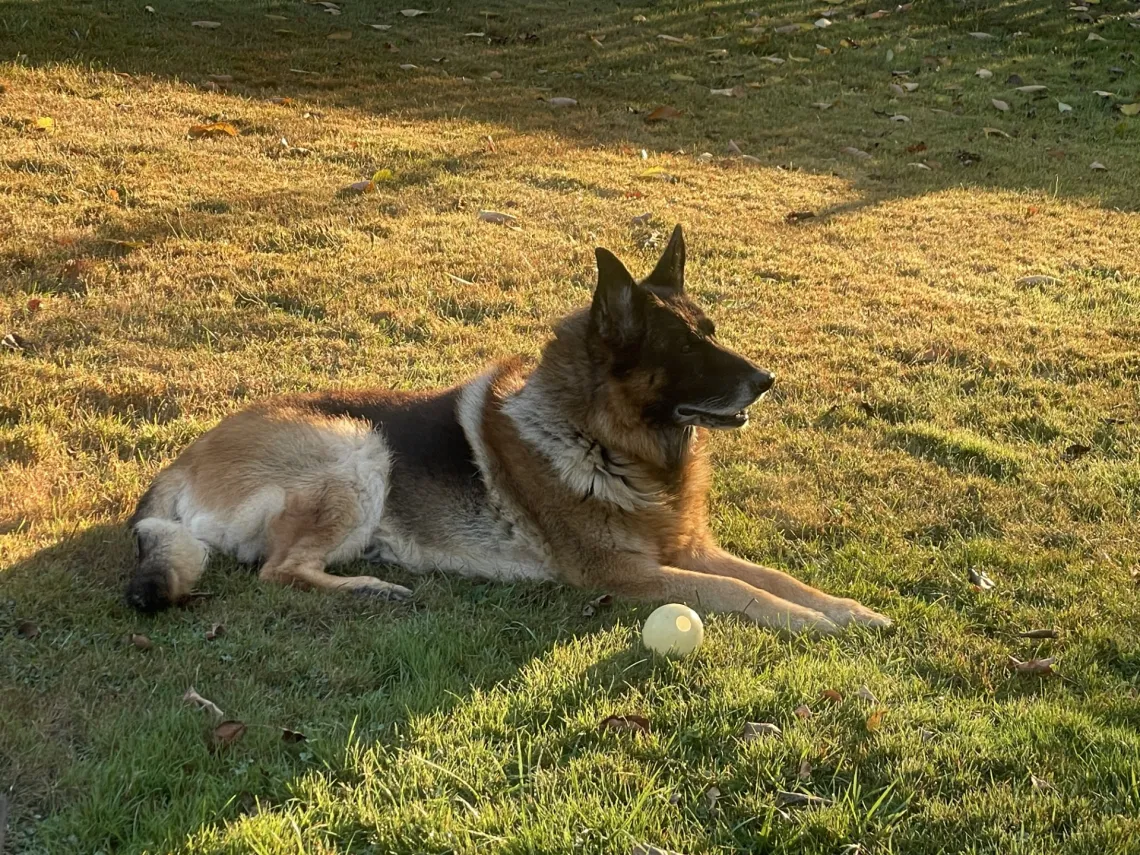
Today, more than a year and a half after surgery, Rudi is active, comfortable, and deeply bonded to his family. Though normal age-related arthritis remains and some residual weakness is expected, he continues to run, play, and enjoy life.
“Quality of life is great,” Alicia says. “We’ve had two great summers. It was worth every penny.”

Owner Perspective: Why Staying Local Mattered

Alicia remains grateful that Rudi could be treated in Bellingham:
“The idea of transporting him an hour in that condition just wasn’t an option. Knowing Dr. Milovancev could do the surgery here, with neurology supporting him, meant everything.”
She adds,
“I felt very confident the whole time in the care he was getting.”

Prognosis: Excellent long-term comfort with continued monitoring of his non-surgical disc.

Contact BBVSH Bellingham

Please fill in your contact details and a message below. We’ll be sure to contact you within the next business day.

Alternately, call (360) 758-2200, email bellingham@bbvsh.com, or fax 1 (888) 867-6928.

If you have an emergency, please call (360) 758-2200.