
Heart disease in pets generally falls into two broad categories:
- Congenital heart disease – conditions present at birth
- Acquired heart disease – conditions that develop over time, often as pets age
While congenital heart defects affect a smaller percentage of dogs and cats, acquired heart disease is far more common—particularly in adult and senior pets. Advances in veterinary medicine have made it possible for many pets with heart disease to live longer, more comfortable, and more active lives than ever before.
Early diagnosis and appropriate management can dramatically improve outcomes across nearly all forms of heart disease. The earliest changes may be subtle, but recognizing them early can make a meaningful difference in long-term health.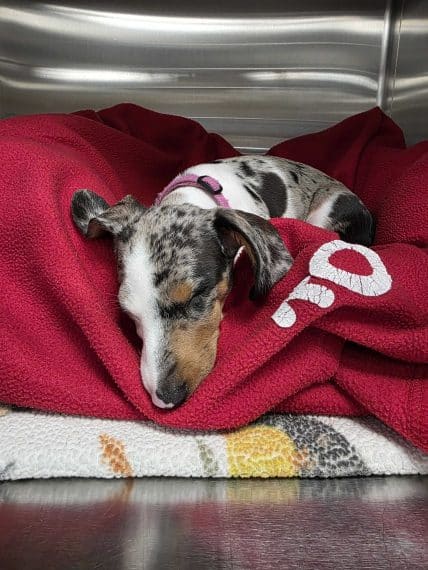
How the Pet Heart Works—and What Happens When Disease Disrupts It
The heart functions as a pump, delivering oxygen-rich blood to every organ in the body. When it works efficiently, pets can run, play, and rest comfortably. When disease interferes—whether through faulty valves, abnormal blood flow, or weakened heart muscle—the effects can be felt throughout the entire system.
Some of the most common heart conditions diagnosed in dogs and cats include:
- Degenerative valve disease, where heart valves gradually become leaky
- Dilated cardiomyopathy (DCM), in which the heart muscle weakens and enlarges
- Hypertrophic cardiomyopathy (HCM), most commonly seen in cats, where the heart muscle becomes abnormally thick
- Congenital defects, such as patent ductus arteriosus (PDA) or pulmonic stenosis
Many heart conditions begin silently. A heart murmur, irregular rhythm, or subtle change in breathing may be the earliest—and most important—clue that something more is happening beneath the surface.
Recognizing Early Signs of Heart Problems in Pets
Heart disease in dogs and cats often develops gradually, and early signs can be easy to overlook. In many cases, the first changes appear as shifts in behavior or stamina rather than obvious illness.
Pet owners may notice:
- Reduced interest in exercise or play
- Fatigue during activities that were previously easy
- Coughing or changes in breathing effort
- Faster breathing at rest
- Weakness or collapse
- Subtle behavior changes in cats, such as hiding or decreased interaction
Cats are especially skilled at masking illness, which means heart disease may not become obvious until it is more advanced. Regular veterinary examinations remain one of the most effective ways to detect early heart changes before they significantly affect daily life.
Diagnosing Heart Disease in Dogs and Cats: What Testing Can Reveal
When heart disease is suspected, diagnosis begins with a thorough physical examination by a veterinarian. Findings such as a heart murmur or irregular rhythm may lead to recommendations for additional diagnostic testing.
Depending on the situation, testing may include:
- Echocardiograms, specialized heart ultrasounds that provide real-time information about heart structure, valve function, and blood flow
- Electrocardiography (ECG/EKG), which measures the heart’s electrical activity and helps identify rhythm disturbances
- Chest X-rays, used to evaluate heart size, shape, and lung changes
- Holter monitoring, a 24–48-hour continuous ECG recording that can detect intermittent rhythm abnormalities
These tools help veterinarians better understand heart anatomy and function, allowing them to define the type and severity of heart disease and recommend appropriate next steps—whether that involves monitoring, medical management, or consultation with a specialist.
When Surgery or Intervention May Be Part of a Pet’s Care
Not all heart disease requires surgery. Many pets are successfully managed with monitoring and medication alone. However, certain congenital or structural heart conditions may benefit from surgical or interventional treatment.
Examples include:
- Surgical correction of patent ductus arteriosus (PDA)
- Balloon procedures for conditions such as pulmonic stenosis
- Other advanced cardiovascular interventions, when appropriate
Decisions about surgery or intervention are made based on the specific diagnosis, overall health of the pet, and expected impact on long-term quality of life.
Why Early Attention to Pet Heart Health Matters
One of the most important messages during Heart Month is this: early attention can change outcomes.
A puppy with a faint murmur, a cat breathing slightly faster at rest, or a dog slowing down on walks may be showing early signs of heart disease. These moments—often easy to dismiss—can represent the difference between manageable disease and sudden crisis.
Early identification can allow for:
- Less invasive treatment options
- More effective medical management
- Improved long-term comfort and quality of life
- Reduced risk of emergency heart failure
Heart disease does not always announce itself loudly. Often, it speaks quietly—long before serious consequences appear.
Partnering With Your Veterinarian to Support Heart Health
Heart care is rarely a single decision or appointment. It is an ongoing process that unfolds over time and relies on communication, observation, and collaboration.
By working closely with a trusted primary care veterinarian, pet owners can ensure changes are addressed promptly, care plans are adjusted as needed, and heart health remains an active part of preventive wellness—especially as pets age.
Because when a heart is at risk, every decision carries weight.
Frequently Asked Questions About Pet Heart Health
When should I talk to my veterinarian about my pet’s heart health?
Any time you notice changes such as reduced stamina, coughing, faster breathing at rest, or fainting episodes, it’s important to bring these concerns to your veterinarian’s attention. Even subtle changes can provide valuable clues.
What types of heart disease affect dogs and cats?
Pets can develop both congenital heart disease (present at birth) and acquired heart disease (developing over time). Dogs commonly experience valve-related disease, while cats are more often affected by cardiomyopathies.
What tests might my veterinarian recommend if heart disease is suspected?
Depending on exam findings, testing may include heart ultrasound (echocardiogram), ECG, chest X-rays, or extended heart rhythm monitoring to better understand heart structure and function.
Does every pet with heart disease need surgery?
No. Many pets are managed successfully with monitoring or medication. Surgery or intervention is reserved for specific conditions where it is expected to improve quality of life or long-term outcome.
Why is early detection of heart disease important?
Identifying heart disease early allows for more treatment options, better symptom control, and a reduced risk of emergency complications later in life.
Are cats and dogs affected differently by heart disease?
Yes. While both species can develop heart disease, the most common types differ. Cats may also hide symptoms longer, making regular veterinary exams especially important.
What can pet owners do at home to support heart health?
Pay attention to changes in energy, breathing, appetite, and behavior. Tracking resting respiratory rate and keeping regular veterinary appointments can help catch problems early.
